
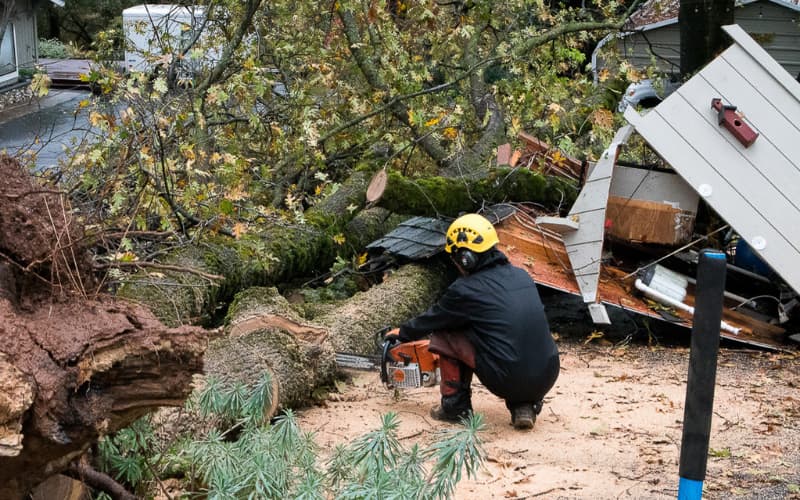
The Tree That Looks Fine… Until It Falls
Understanding Hidden Tree Risk in the Sierra Foothills. Don’t wait for a storm to reveal what’s happening beneath the bark.
If you’ve lived in or around El Dorado County long enough, you’ve probably seen it happen. A tree that looked perfectly healthy one day… suddenly falls during a storm, or worse, on a calm afternoon.
No warning. No obvious signs. Just down.
Why “Healthy-Looking” Trees Still Fail
Trees don’t always show stress the way we expect. Green leaves and full canopies can be misleading because many serious issues start below the surface or inside the tree.
Here in Placerville and the surrounding foothills, we commonly see:
- Root systems weakened by drought or saturated soils
- Internal decay that isn’t visible from the outside
- Structural imbalances from past pruning or storm damage
- Soil erosion or compaction reducing stability
A tree can look strong… while quietly losing the ability to stand.
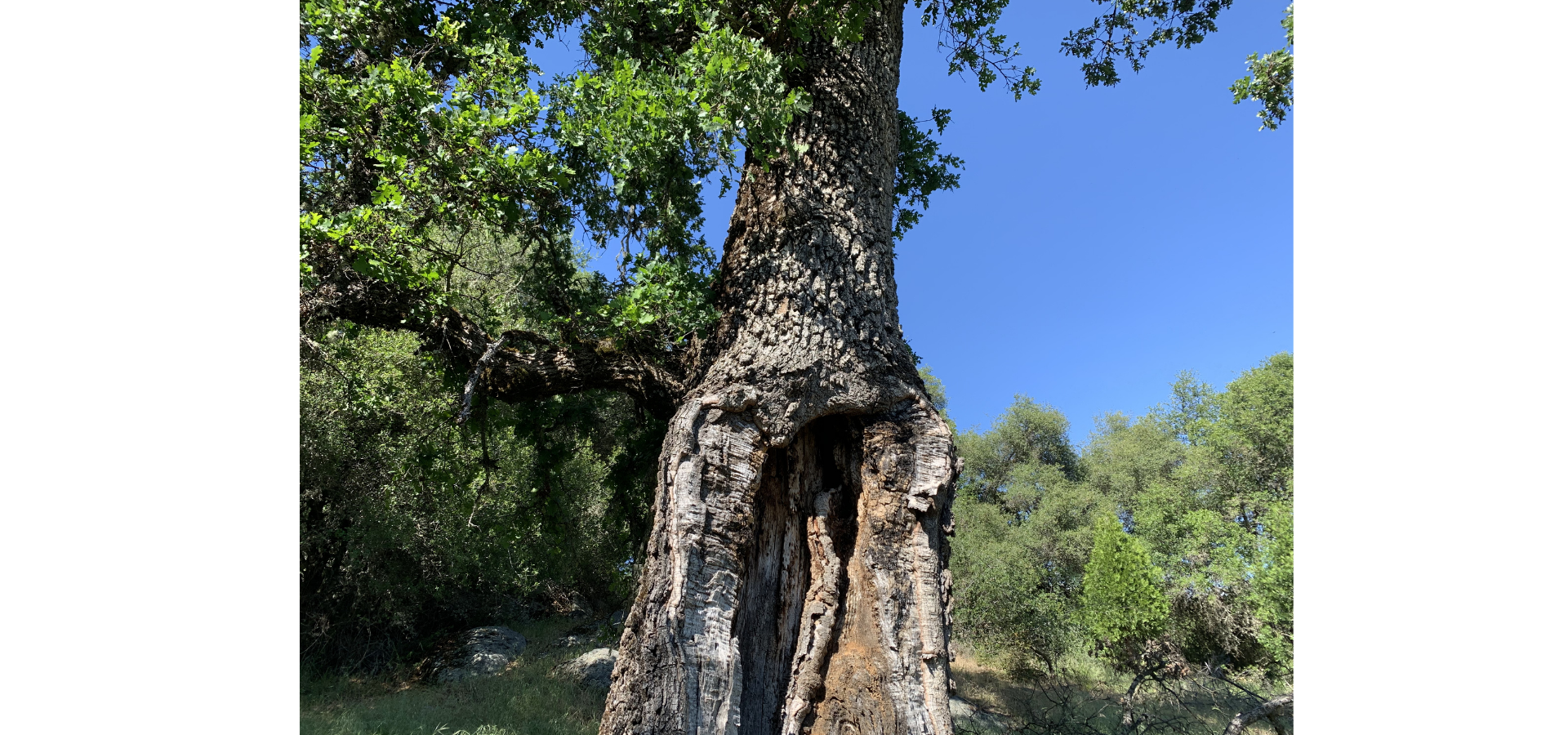
The Hidden Warning Signs Most People Miss
Even though some risks are invisible, there are often subtle clues. Here are a few we encourage homeowners to watch for:
- Leaning that’s new or increasing
- Cracks in the trunk or major limbs
- Mushrooms or fungal growth near the base
- Dead branches in the upper canopy
- Exposed or lifting roots
- Sudden leaf thinning or dieback
These signs don’t always mean removal, but they do mean it’s time to take a closer look.
What’s Actually Happening Inside the Tree
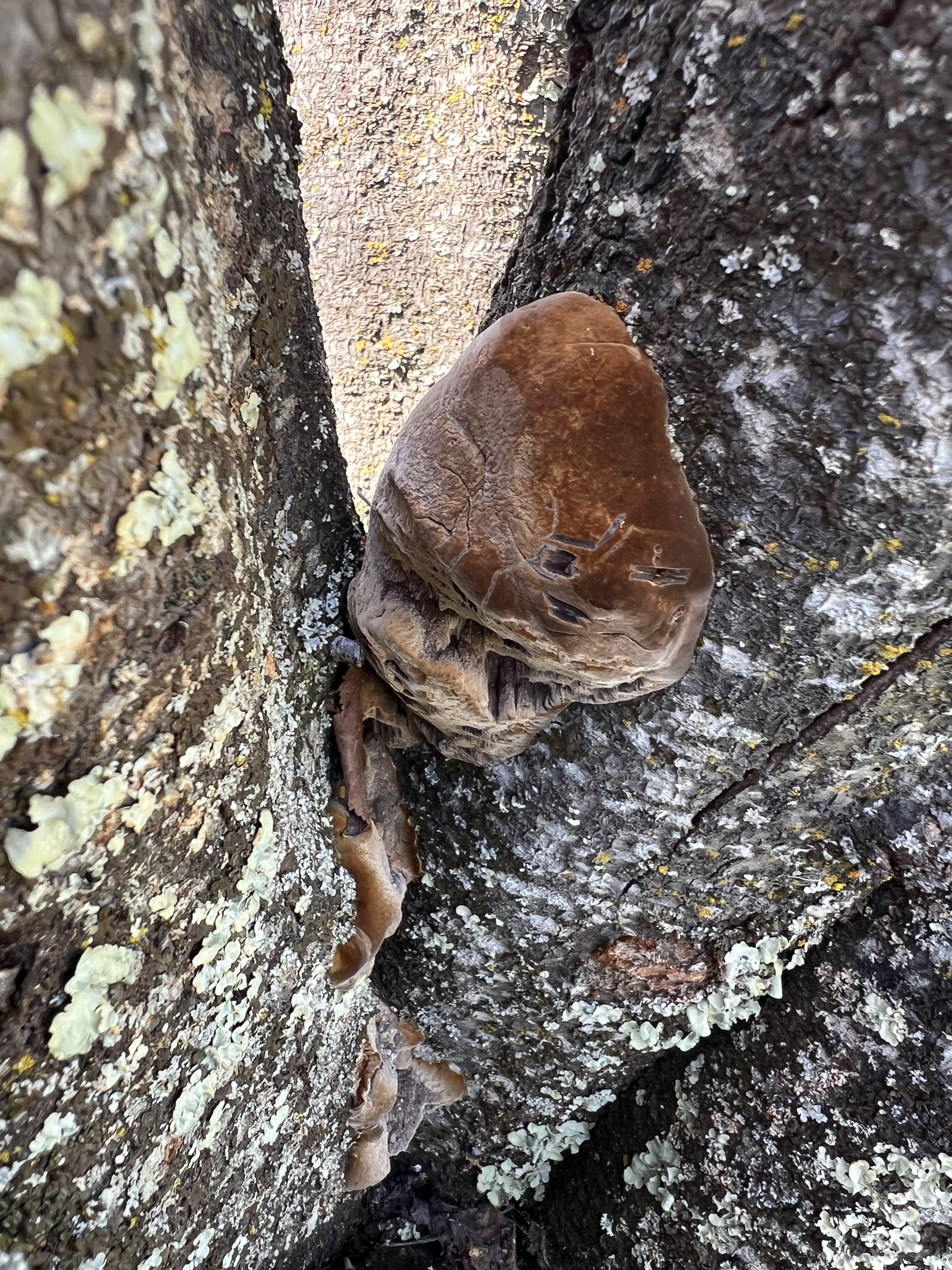
Think of a tree like a house. You can have a beautiful exterior… but if the framing is compromised, it’s not safe. We often find heart rot weakening the trunk from the inside out, root decay reducing anchoring strength, included bark creating weak branch unions, and old wounds that never properly sealed.
Why Tree Risk Is Higher in the Foothills
Our region adds a few extra challenges:
- Long dry summers stress root systems
- Heavy winter rains loosen already weakened soil
- Wind events test structural integrity
- Wildfire impacts can damage trees long after the fire is gone
What a Professional Tree Risk Assessment Looks Like
At Foothill Forest Care, we take a risk-first approach because safety comes first.
Target evaluation
What could the tree hit? (home, driveway, play area)
Tree condition
Structure, defects, species characteristics
Site conditions
Soil, slope, drainage, exposure
Risk rating
Based on likelihood of failure and consequences
Clear recommendations
Monitor, prune, treat, or remove
When Should You Be Concerned?
If you’re asking the question, it’s usually worth checking. We especially recommend an assessment if a tree is near your home or driveway, you’ve noticed recent changes (lean, cracks, dieback), the tree has been through fire, drought, or major storms, or you’re planning construction or grading nearby.
The Goal Isn’t Always Removal
A common fear we hear from homeowners is that they were nervous to call us because they assumed we would just recommend that they cut their tree down. That’s not how we approach it. Whenever possible, we look for ways to reduce risk through targeted pruning, improve health with soil and root care, and safely extend the life of the tree.
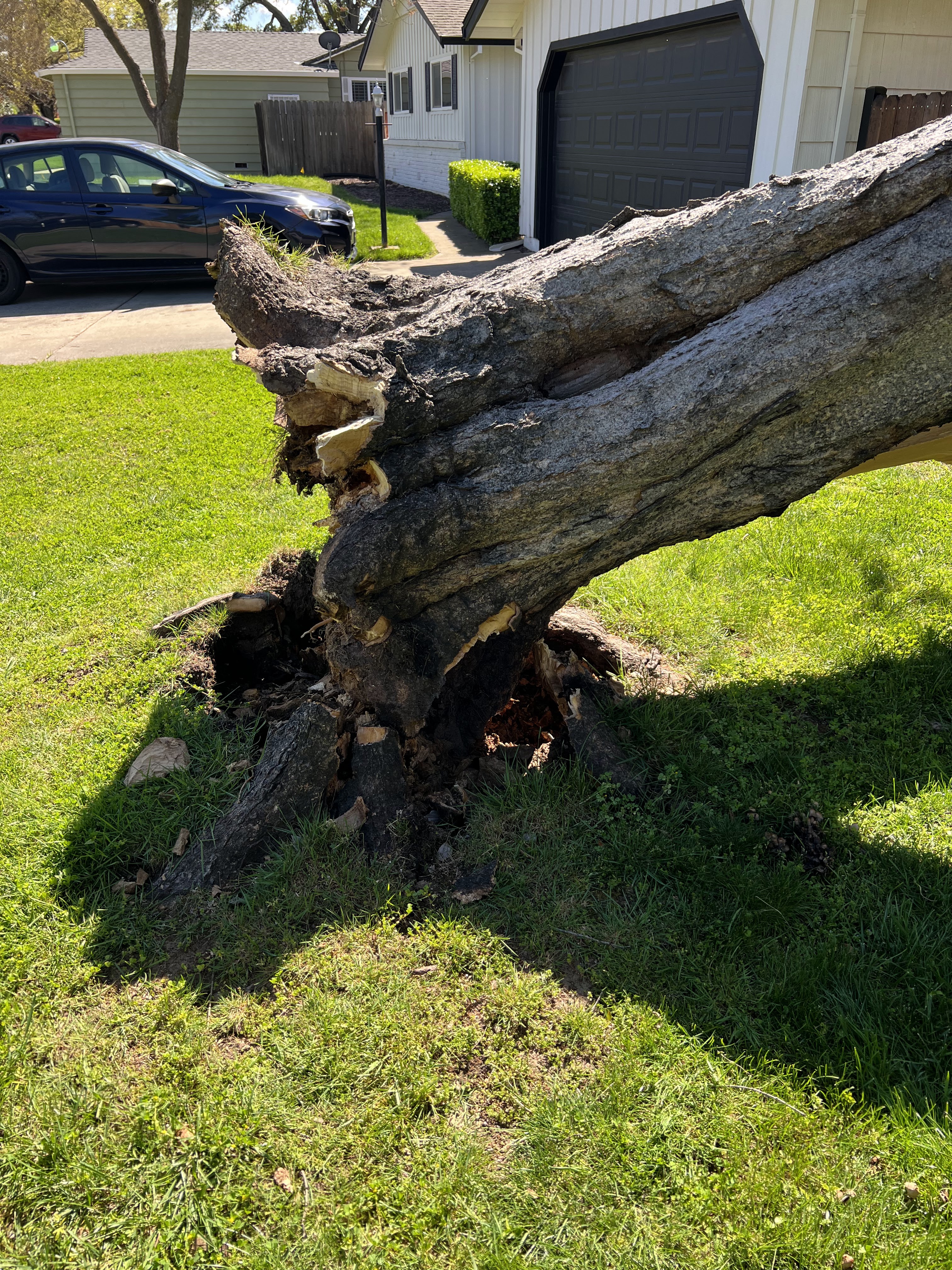
We’re Your Neighbors, And We Take That Seriously
We live and work here in El Dorado County. These aren’t just trees to us, they’re part of your home, your landscape, and your safety. Our goal is simple: help you make informed decisions that protect your property and preserve what matters.
Want Peace of Mind About a Tree?
If something doesn’t feel right, it’s worth taking a look. We’re happy to walk your property with you and talk through your trees, no pressure, just honest guidance.
Call us: (530) 993-0110
Email us: info@foothillforestcare.com