
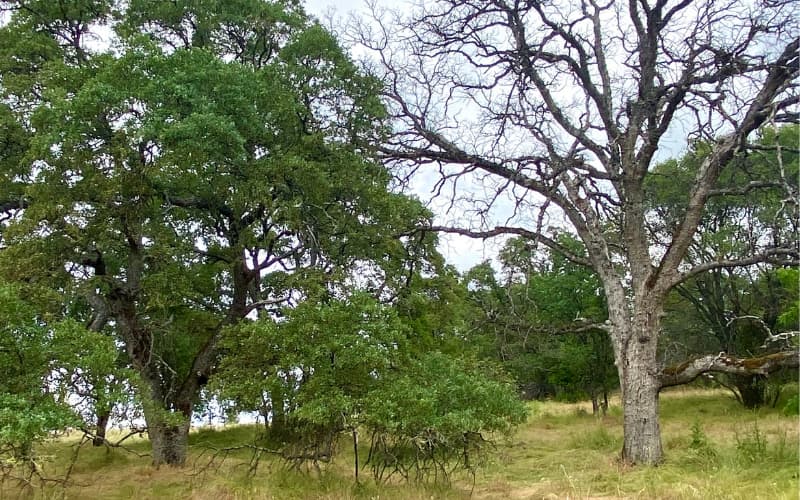
Your Trees Are Talking — Here’s How to Read Them
Understanding early signs of stress, disease, and decline in the Sierra Foothills.
Most tree problems don’t start with dramatic failure. They begin quietly, with small changes that are easy to overlook. A little thinning in the canopy. A shift in leaf color. A patch of bark that doesn’t look quite right.
Individually, these may not seem urgent. But together, they tell a story. And catching that story early can make all the difference.
Why Early Detection Matters
By the time a tree looks obviously unhealthy, the problem is often advanced. In many cases, we’re called out after a tree has already declined to the point where options are limited. But when issues are caught early, there is often a much wider range of solutions.
Early intervention can:
- Improve tree health and longevity
- Prevent the spread of pests or disease
- Reduce the risk of failure
- Avoid more costly removals down the line
Tree care is not just reactive — it’s proactive.
What Your Tree Might Be Telling You
Trees show stress in ways that are subtle but consistent. Here are some of the most common signals we see in the foothills:Changes in Leaf Color or Size
Leaves that are smaller than normal, discolored, or dropping early can indicate stress related to water, nutrients, or disease.Thinning Canopy and Deadwood
If the upper canopy is becoming sparse, it may be a sign the tree is struggling to support its full structure. Dead branches, especially higher up, are often one of the first visible signs of decline.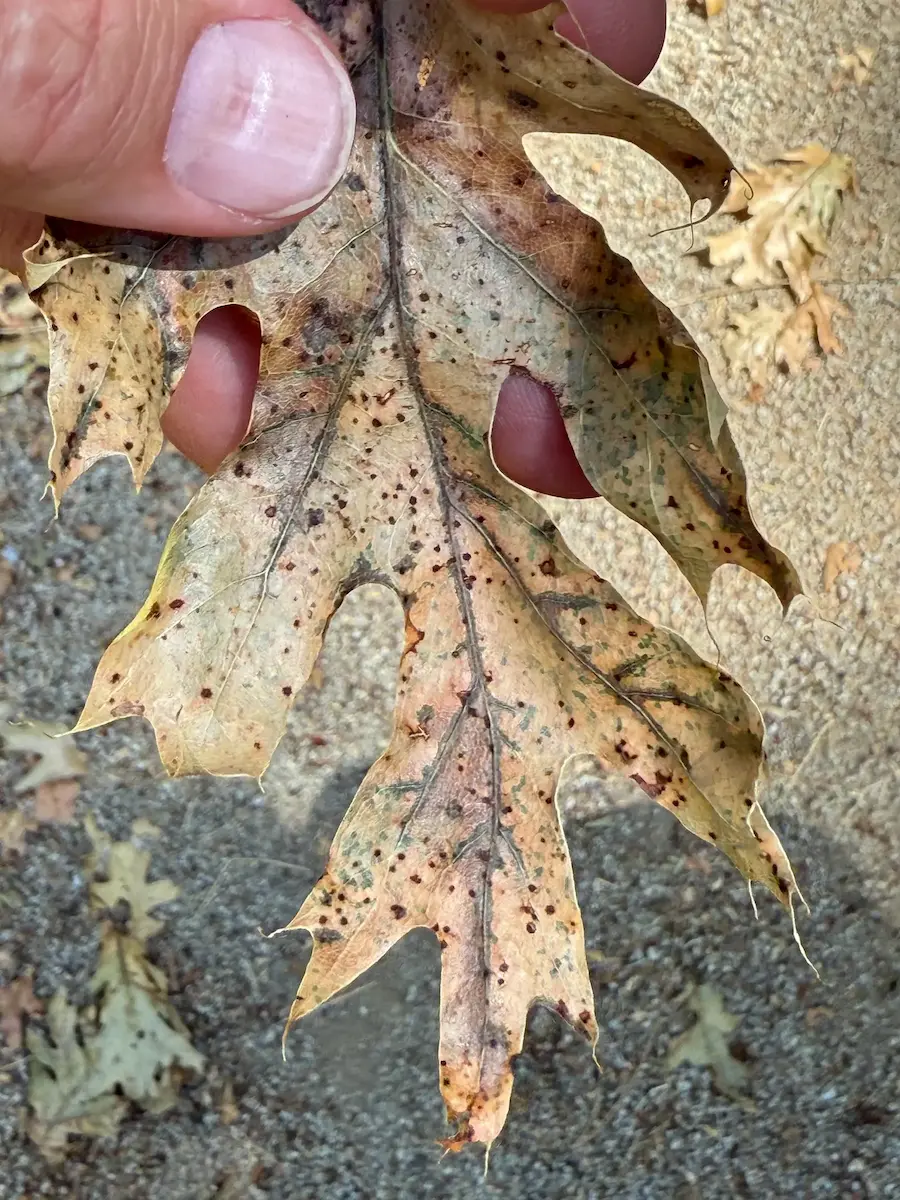
Cracks, Splits, or Bark Changes
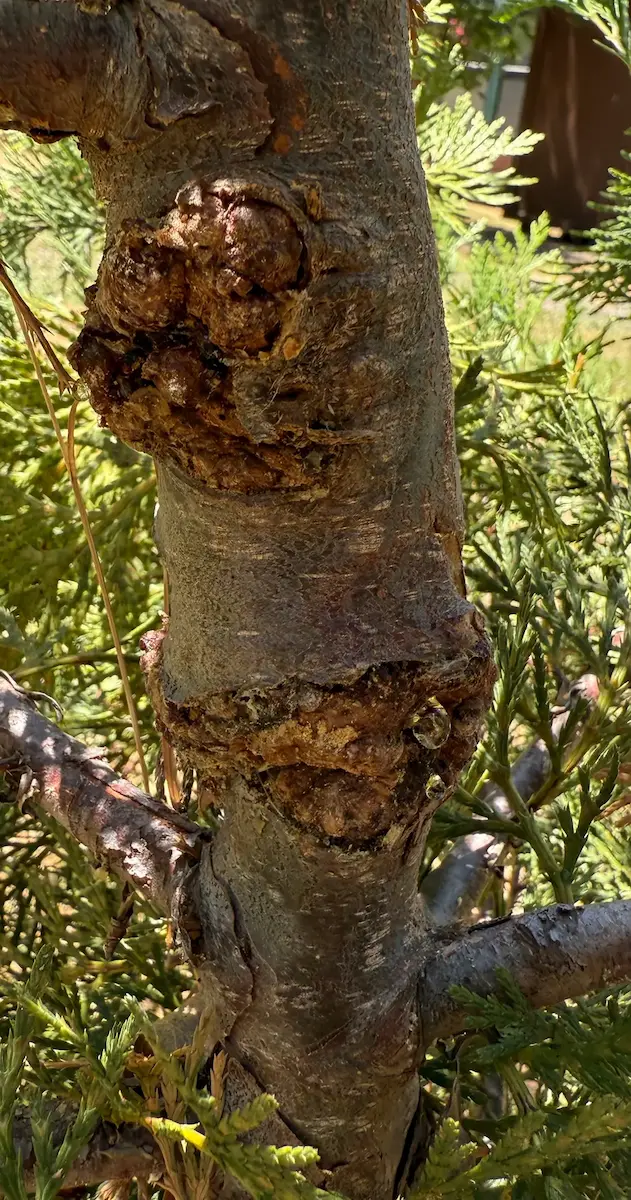
Unusual bark patterns, peeling, cracking, or excessive sap weeping can point to structural or internal issues, as well as pest infestations.Fungal Growth and Sprouting
Mushrooms or conks at the base of a tree are often associated with internal decay. When a tree produces a large number of shoots along the trunk or branches, it can be a stress response.None of these signs automatically mean a tree needs to be removed. But they do mean it’s time to pay attention.
Environmental Stress in the Foothills
Trees in El Dorado County face a unique combination of challenges. Long dry summers that strain water availability, compacted or disturbed soils from construction, pressures that increase when trees are stressed, and lingering effects of wildfire exposure.
These factors often work together, not in isolation. A tree that might tolerate one stressor can decline when several are present at the same time.
When to Monitor vs Act
Not every issue requires immediate action. Part of good tree care is knowing when to monitor a condition over time, improve growing conditions, apply targeted treatments, or take corrective pruning measures.The Role of Arborist Reports
Sometimes a deeper level of documentation is needed — for permits, construction, or property decisions.
Condition assessment
Detailed evaluation of tree health, structure, and defectsRisk identification
Contributing factors and likelihood of failureWritten recommendations
Clear, actionable guidance in plain languageDocumentation
For permits, HOA requirements, and planning complianceArborist reports are especially valuable when planning building projects, working with El Dorado County planning, or making long-term decisions about your property.
Thinking Beyond One-Time Fixes
One of the most common patterns we see is reactive care. A problem shows up, it gets addressed, and then attention shifts elsewhere. But trees are long-term investments. Conditions change over time. New stressors appear. Trees grow and age. That’s why we often recommend Tree Management Plans.
These plans provide:
- A full inventory of your trees
- A clear understanding of current condition
- A 1 to 5 year strategy for maintenance and care
- Budget planning and prioritization
Instead of reacting to problems, you’re staying ahead of them.