
Defensible Space Isn’t Just Clearance, It’s Strategy
Understanding How Smart Tree Care Protects Your Home in the Sierra Foothills.
If you live in El Dorado County, wildfire isn’t a distant concern. It’s part of life here. Most homeowners know they need defensible space. But what we often see is a misunderstanding of what that really means.
It’s not just about cutting everything back. Done right, defensible space is a strategy. And that strategy can make the difference between a home that survives and one that doesn’t.
Why “Clearing Everything” Isn’t the Answer
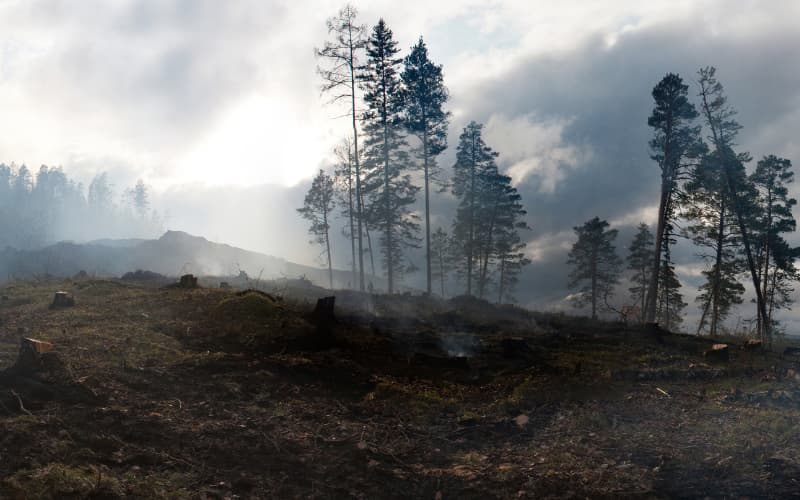
We’ve walked properties where homeowners removed large amounts of vegetation thinking it would make them safer. In reality, over-clearing can create new problems:
- Increased soil erosion and instability
- Loss of shade, which dries out the landscape faster
- Encouragement of fast-growing, more flammable vegetation
- Reduced overall tree health due to sudden exposure
Defensible space is not about removing everything. It’s about managing vegetation in a way that slows fire and reduces intensity.
What Defensible Space Is Really Designed to Do
The goal is simple: reduce the chance that fire reaches your home and limit its ability to spread. That means:
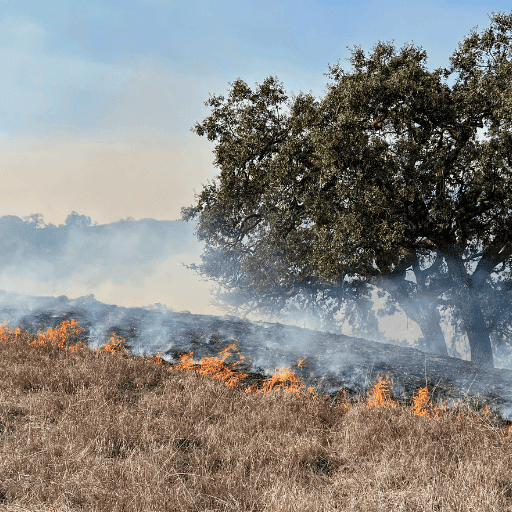
- Slowing fire movement across the landscape
- Reducing heat and flame length
- Preventing fire from climbing into tree canopies
- Creating space for firefighters to safely defend your property
Every property is different, which is why a one-size-fits-all approach doesn’t work.
The Concept of Ladder Fuels
One of the most important ideas in wildfire safety is something called ladder fuels. These are the smaller plants and materials that allow fire to move from the ground up into the trees. Think:
- Dry grass
- Brush and shrubs
- Low hanging branches
When these connect, fire can climb from the ground into the canopy and spread much more aggressively. Strategic tree care focuses on breaking that connection.
How Tree Spacing and Structure Affect Fire Behavior
Trees that are too close together can act like a continuous fuel source. When one ignites, the fire can easily move to the next. Proper spacing helps:
- Reduce fire spread between trees
- Lower overall heat intensity
- Improve tree health and resilience
Pruning also plays a key role. Removing lower limbs and thinning dense canopies helps keep fire on the ground where it is more manageable.
Understanding Defensible Space Zones
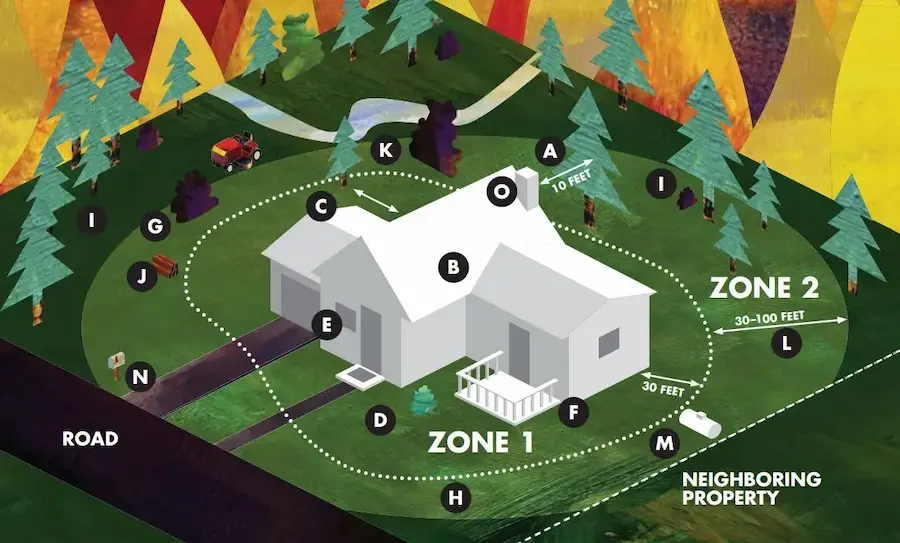
Most properties are divided into zones, each with a different purpose and level of management required.
Defensible Space Zones Explained
Each zone builds on the next. Together they create a layered defense around your home.
Zone 0
The area closest to your home. Non-combustible materials and minimal vegetation. Highest level of attention required.
Zone 1
Extends outward from Zone 0. Focuses on reducing fuel and maintaining spacing between plants and trees.
Zone 2
The broader landscape. Thinning, pruning, and reducing heavy fuels helps slow fire before it reaches the inner zones.
Ongoing maintenance
Defensible space is not a one-time project. It requires ongoing attention and seasonal adjustment.
Common Mistakes We See
Even well-intentioned homeowners can make decisions that don’t improve safety. Some of the most common include:
- Removing large healthy trees while leaving flammable understory
- Ignoring spacing between remaining trees
- Letting debris and leaf litter accumulate
- Not maintaining defensible space over time
Defensible space is not a one-time project. It requires ongoing attention and adjustment.
The Role of Tree Health in Fire Resistance
Healthy trees are more resilient. They retain moisture better, resist stress, and are less likely to ignite under the same conditions as unhealthy trees. That’s why defensible space and tree health go hand in hand.
A Smarter Approach to Defensible Space
At Foothill Forest Care, we approach defensible space as part of a larger plan. We look at:
- The layout of your property
- The species and condition of your trees
- Slope, soil, and exposure
- How fire is most likely to move through your land
From there, we make recommendations that balance safety, tree health, and long-term sustainability. The goal is not just to meet requirements. It’s to create a property that is safer, healthier, and easier to maintain over time.
Frequently Asked Questions About Defensible Space in El Dorado County
What is defensible space and why does it matter in El Dorado County?
Defensible space is a buffer zone of managed vegetation around your home that slows fire movement, reduces flame length, and creates room for firefighters to safely defend your property. In El Dorado County, where wildfire is a regular part of life rather than a distant risk, defensible space is one of the most important things a homeowner can do.
Is it true that clearing all vegetation makes my property safer?
Not necessarily. Over-clearing can actually create new problems including increased soil erosion, loss of shade that dries out the landscape faster, and encouragement of fast-growing flammable vegetation. Good defensible space is about managing vegetation strategically, not eliminating it entirely.
What are defensible space zones and what does each one require?
Most California properties are divided into three zones. Zone 0 is the area immediately around your home where non-combustible materials and minimal vegetation are required. Zone 1 extends outward and focuses on reducing fuel and maintaining spacing between plants and trees. Zone 2 covers the broader landscape where thinning, pruning, and reducing heavy fuels helps slow fire before it reaches the inner zones.
What are ladder fuels and why do they matter?
Ladder fuels are smaller plants and materials — dry grass, brush, shrubs, and low-hanging branches — that allow fire to climb from the ground up into tree canopies. When these connect, fire can spread much more aggressively across a property. Breaking that connection through strategic pruning and vegetation management is a key part of effective defensible space.
How does tree health affect wildfire risk?
Healthy trees are significantly more fire-resistant than stressed or declining ones. They retain moisture better, resist ignition under the same conditions, and are structurally more stable. Treatments that improve soil conditions, reduce pest pressure, and support overall tree vitality are an important part of a complete wildfire safety strategy.
Does Foothill Forest Care help with defensible space compliance?
Foothill Forest Care can assess your property and provide recommendations that align with California defensible space requirements. For formal compliance documentation we can provide written arborist reports. Contact us to discuss what your property needs.
We’re Your Neighbors, And We Understand the Risk
We live and work here in El Dorado County. We’ve seen how fire moves through these landscapes. We understand the conditions that make properties more vulnerable. And we believe good tree care plays a critical role in wildfire safety — not just compliance.
Want a Smarter Defensible Space Plan?
We’re happy to walk your property with you and talk through what we see — no pressure, just honest guidance from people who know these trees and this land.
Call us: (530) 993-0110
Email us: info@foothillforestcare.com